Showing posts with label mesothelioma lawyers. Show all posts

Pictures of Mesothelioma

Pictures of Mesothelioma


mesothelioma picture

Blackened area shows the cancer cells.

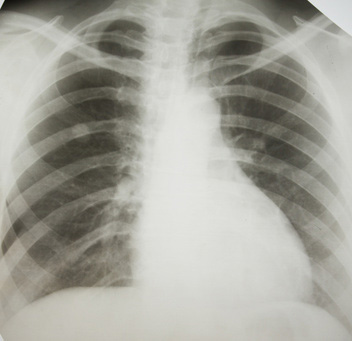
mesothelioma xray

Chest xray of mesothelioma cancer in the lungs of a patient.


http://www.mesotheliomatreatmentcenters.org/images/asbestos-pictures/mesothelioma-xray.jpg


http://www.mesotheliomain.com/wp-content/uploads/2010/05/mesothelioma-cancer.jpg


http://www.trials.net/images/mesothelioma-cancer-example.jpg


What is Mesothelioma?

What is Mesothelioma?


Mesothelioma is a type of cancer that is caused by exposure to asbestos. Malignant cells develop in the mesothelium. The mesothelium is a protective lining that covers most of the human body's internal organs. The most common location is the pleura which is the outer lining of the lungs and internal chest wall. Mesothelioma can also occur in the peritoneum which is the lining of the abdominal cavity, the pericardium which is a sac that surrounds the heart, or in the heart itself.

The majority of people who develop mesothelioma have worked in jobs where they were exposed to asbestos. Inhaling asbestos particles, leads to mesothelioma. People who develop may also have been exposed to asbestos fibers or dust in other ways. It could be possible that washing the clothes of a family member who worked with asbestos could put a person at risk of mesothelioma.

Unlike lung cancer, there is no association between mesothelioma and smoking, but smoking greatly increases risk of other asbestos-induced cancer. Compensation via asbestos funds or lawsuits is an important issue with mesothelioma sufferers.

Although chemotherapy and surgery are the most common forms of treatment, participating in clinical trials can provide you with alternative mesothelioma treatment options. Increased awareness of mesothelioma and other asbestos-caused diseases has led to an increase on medical research to cure and control asbestos-caused cancers and related asbestos heart and respiratory diseases. Despite treatment with chemotherapy, radiation therapy or sometimes surgery, the disease carries a poor prognosis. Research about screening tests for the early detection of mesothelioma is ongoing.

The symptoms of mesothelioma include shortness of breath due to pleural effusion or fluid between the lung and the chest wall. Chest wall pain, and general symptoms such as weight loss are other symptoms. The diagnosis may be suspected with chest X-ray and CT scan, and is confirmed with a microscopic examination and biopsy. Inserting a tube with a camera into the chest can be used to take biopsies. It allows the introduction of substances such as talc to obliterate the pleural space, which prevents more fluid from accumulating and pressing on the lung.


Pictures of Mesothelioma

mesothelioma picture

Blackened area shows the cancer cells.

mesothelioma xray

Chest xray of mesothelioma cancer in the lungs of a patient.


Is Malignant Pleural Mesothelioma Treatable?

Is Malignant Pleural Mesothelioma Treatable?

malignant pleural mesothelioma treatment options Is Malignant Pleural Mesothelioma Treatable?

Malignant Pleural Mesothelioma Treatment Options

Have you been suffering from constant coughs and chest pains lately? Or are you beginning to have difficulty breathing? Then you should go and see your doctor right away. You might be suffering from the symptoms of malignant pleural mesothelioma. Unfortunately, by the time the symptoms do appear there is little chance that this cancer can be fully cured.

Still, there are 3 ways by which the spread of this cancer can be slowed down. Here is a short explanation of these 3 ways:

  • Chemotherapy. This method of treatment is commonly used for most kinds of cancer. While it cannot remove the cancer from your body, it will prevent the cancer from growing and spreading, to a certain degree. This treatment must be done continuously. It is quite painful and expensive, but it is effective in prolonging one’s life.
  • Radiotherapy. In this treatment, radiation is used to prevent the spread of cancer cells in one’s chest wall. While this will not cure your cancer, it will prevent other possible health hazards such as the blocking of a blood vessel. This method also goes a long way in relieving the painful symptoms of pleural mesothelioma.
  • Surgical Removal. In this method, the certain parts of your body infected by the cancer will be removed in order to prevent it from spreading throughout your body. This is the most effective means of treating the cancer, but it can only be done during early stages of the cancer—before it spreads throughout your body.

You can choose to undergo one or more of these treatments for cancer depending on how much the disease has spread. It is important to keep in mind that none of these treatments have been proven to stop the cancer completely. The disease was just discovered recently, so the cure should arrive sometime soon.

Keep in mind that these treatments are very expensive. And you shouldn’t even be the one paying for the medical bills you will incur. Instead it should be your employer shouldering the bills for you. It is your employer’s responsibility to ensure that the workplace is safe for all his employees.

Unfortunately, most owners of asbestos factories don’t care to keep the workplace safe. If your employer refuses to give you compensation then you should hire a lawyer to help you with your case. He has already caused your death. The least he can do is help you prolong your life. Take steps in treating your malignant pleural mesothelioma now!!!

International Mesothelioma Program

International Mesothelioma Program


Mesothelioma is a terrible disease which has struck many across the country and across the world from asbestos lining. The cancer is deadly and dangerous, and has caused grief and suffering for many families. Still, there is hope, and doctors and scientists are working every day to help find ways to cure mesothelioma. If you've arrived at this site looking for information about this terrible disease and a way to arm yourself against the scary feeling of just not knowing what's going on or where to turn, you've come to the right place. It's easy to feel like the world is just moving around you and doesn't care about your crisis, but we understand that mesothelioma is a terrible cancer that can threaten not only the person who it afflicts, but also their families and loved ones as well. There are lots of hospitals and programs devoted to the care of mesothelioma patients around the world, and one of the very best is located in Boston, Massachusetts in the United States.

Before we go any further, it is important to understand that neither the writer nor the owners of this site are in any way affiliated with the International Mesothelioma Program at Brigham and Women's Hospital, or at any other mesothelioma program. This site is simply an informational resource and as such contains a wealth of information both on the disease itself and on the international mesothelioma program as it is one of the top treatment centers in the world for this type of cancer. This is neither a sponsored referral nor a piece of expert medical advice. This is simply research and information collected for your benefit.

The international mesothelioma program was founded by a renowned doctor, Dr. David Sugarbaker, working in concert with the Brigham and Women's Hospital, as well as Harvard Medical school, one of the top medical school programs in the world. Dr. Sugarbaker saw thousands of patients every year being diagnosed with mesothelioma and no comprehensive treatment program put in place to treat them, so he founded the international mesothelioma program there in Boston, which now provides over three hundred consultations per year, and has nearly two hundred patients. They can't help everyone with mesothelioma at the international mesothelioma program because they simply don't have the resources, but they aren't afraid to take on even the worst cases.

The international mesothelioma program has both a treatment and a research arm to help attack the cancer and eventually find a cure. It is hard work considering that it's really hard for doctors to even entirely know why mesothelioma is caused except for that it is almost always in exposure to asbestos. Beyond that, mesothelioma remains an illusive and confusing cancer, but the smartest and most accomplished doctors in the world are working on this issue day by day at the international mesothelioma center, so help is always just around the corner. This is a rare cancer, but it is a vicious and deadly cancer, and it can catch people completely off guard in a way that absolutely devastates both themselves and their families. The problem is that mesothelioma is so similar to a million other harmless problems until the very late stages of the disease when it begins to cause really serious pains and breathing problems. Prior to that, there are a lot of things you could mistake mesothelioma for, and with only between seven and forty cases in every one million people in western nations, it's not exactly the first thing doctors are looking for in most cases either unless you have a documented history of being exposed to asbestos.

http://whatismesothelioma.com/images/mesothelioma.jpg

Mesothelioma

Mesothelioma

What is Mesothelioma?

MesotheliomaMalignant mesothelioma is a rare type of cancer that occurs in the thin layer of cells lining the body's internal organs, known as the mesothelium. There are three recognized types of mesothelioma. Pleural mesothelioma is the most common form of the disease, accounting for roughly 70% of cases, and occurs in the lining of the lung known as the pleura. Peritoneal mesothelioma occurs in the lining of the abdominal cavity, known as the peritoneum and pericardial mesothelioma originates in the pericardium, which lines the heart.

Who is at risk for Mesothelioma?

The only recognized cause of mesothelioma is exposure to asbestos, though other factors such as smoking can make mesothelioma more or less likely in some individuals. Industrial laborers were widely subjected to asbestos exposure on the job, as the material was widely used throughout the 20th century. Few of these workers knew they were being exposed to asbestos and thus put at risk for mesothelioma, however, despite the fact that many manufacturers were aware the material was hazardous. In most cases, mesothelioma symptoms will not appear in an individual exposed to asbestos until many years after the exposure has occurred. Those who believe they may have been exposed to asbestos are at risk for mesothelioma and should fill out our form to receive a free mesothelioma information packet, detailing treatment options, emerging therapies, and jobsite exposure information.

Mesothelioma Treatment

Mesothelioma TreatmentOnce an individual has been diagnosed with mesothelioma, the next step is to discuss mesothelioma treatment options with his/her physician. Recent scientific research has produced significant breakthroughs with regard to treatment protocols for mesothelioma patients and more options are now available for managing mesothelioma and supporting improved quality of life. Newly diagnosed mesothelioma patients always have many questions about the treatment options that would be most effective for them, including those about new treatment therapies like Alimta® and Cisplatin and other chemotherapy drugs. In addition to these newer drugs that are being used to treat asbestos cancer, mesothelioma patients also have a number of "conventional" treatment options to consider, including mesothelioma chemotherapy, radiation therapy and surgery.

Mesothelioma clinical trials and experimental treatments are still other options that some mesothelioma patients may be eligible to participate in. Our site features a comprehensive mesothelioma cancer treatment section that includes important information for patients and families. We've included resources on top mesothelioma doctors such as Dr. Sugarbaker, as well as a comprehensive list of questions that you may wish to discuss with your personal physician when preparing a mesothelioma treatment plan. We are always providing new and informative resources regarding mesothelioma treatment including: Clinical Trials, conventional treatments, experimental therapies, as well as alternative mesothelioma treatment options. Check back often for the most recent advances in mesothelioma treatments.

Mesothelioma

Mesothelioma

What is Mesothelioma?

Malignant mesothelioma is a rare type of cancer that occurs in the thin layer of cells lining the body's internal organs, known as the mesothelium. There are three recognized types of mesothelioma. Pleural mesothelioma is the most common form of the disease, accounting for roughly 70% of cases, and occurs in the lining of the lung known as the pleura. Peritoneal mesothelioma occurs in the lining of the abdominal cavity, known as the peritoneum and pericardial mesothelioma originates in the pericardium, which lines the heart.

http://whatismesothelioma.com/images/mesothelioma.jpg


Mesothelioma, more precisely malignant mesothelioma.

Mesothelioma is a rare form of cancer that develops from the protective lining that covers many of the body's internal organs, the mesothelium. It is usually caused by exposure to asbestos.

Its most common site is the pleura (outer lining of the lungs and internal chest wall), but it may also occur in the peritoneum (the lining of the abdominal cavity), the heart, the pericardium (a sac that surrounds the heart) or tunica vaginalis.

Asbestos Symptoms of Mesothelioma Lawsuit

Most people who develop mesothelioma have worked on jobs where they inhaled asbestos particles, or they have been exposed to asbestos dust and fiber in other ways. It has also been suggested that washing the clothes of a family member who worked with asbestos can put a person at risk for developing mesothelioma. Unlike lung cancer, there is no association between mesothelioma and smoking, but smoking greatly increases the risk of other asbestos-induced cancers. Compensation via asbestos funds or lawsuits is an important issue in mesothelioma (see asbestos and the law).

The symptoms of mesothelioma include shortness of breath due to pleural effusion (fluid between the lung and the chest wall) or chest wall pain, and general symptoms such as weight loss. The diagnosis may be suspected with chest X-ray and CT scan, and is confirmed with a biopsy (tissue sample) and microscopic examination. A thoracoscopy (inserting a tube with a camera into the chest) can be used to take biopsies. It allows the introduction of substances such as talc to obliterate the pleural space (called pleurodesis), which prevents more fluid from accumulating and pressing on the lung. Despite treatment with chemotherapy, radiation therapy or sometimes surgery, the disease carries a poor prognosis. Research about screening tests for the early detection of mesothelioma is ongoing.


Signs and symptoms


Symptoms or signs of mesothelioma may not appear until 20 to 50 years (or more) after exposure to asbestos. Shortness of breath, cough, and pain in the chest due to an accumulation of fluid in the pleural space (pleural effusion) are often symptoms of pleural mesothelioma.

Symptoms of peritoneal mesothelioma include weight loss and cachexia, abdominal swelling and pain due to ascites (a buildup of fluid in the abdominal cavity). Other symptoms of Peritoneal Mesothelioma may include bowel obstruction, blood clotting abnormalities, anemia, and fever. If the cancer has spread beyond the mesothelium to other parts of the body, symptoms may include pain, trouble swallowing, or swelling of the neck or face.

These symptoms may be caused by mesothelioma or by other, less serious conditions.

Mesothelioma that affects the pleura can cause these signs and symptoms:

  • Chest wall pain
  • Pleural effusion, or fluid surrounding the lung
  • Shortness of breath
  • Fatigue or anemia
  • Wheezing, hoarseness, or cough
  • Blood in the sputum (fluid) coughed up (hemoptysis)

In severe cases, the person may have many tumor masses. The individual may develop a pneumothorax, or collapse of the lung. The disease may metastasize, or spread, to other parts of the body.

Tumors that affect the abdominal cavity often do not cause symptoms until they are at a late stage. Symptoms include:

  • Abdominal pain
  • Ascites, or an abnormal buildup of fluid in the abdomen
  • A mass in the abdomen
  • Problems with bowel function
  • Weight loss

In severe cases of the disease, the following signs and symptoms may be present:

  • Blood clots in the veins, which may cause thrombophlebitis
  • Disseminated intravascular coagulation, a disorder causing severe bleeding in many body organs
  • Jaundice, or yellowing of the eyes and skin
  • Low blood sugar level
  • Pleural effusion
  • Pulmonary emboli, or blood clots in the arteries of the lungs
  • Severe ascites

A mesothelioma does not usually spread to the bone, brain, or adrenal glands. Pleural tumors are usually found only on one side of the lungs.


powered by Blogger | WordPress by Newwpthemes | Converted by BloggerTheme